
Rancho Santa Fe Covenant Renovations Require This Before You Offer
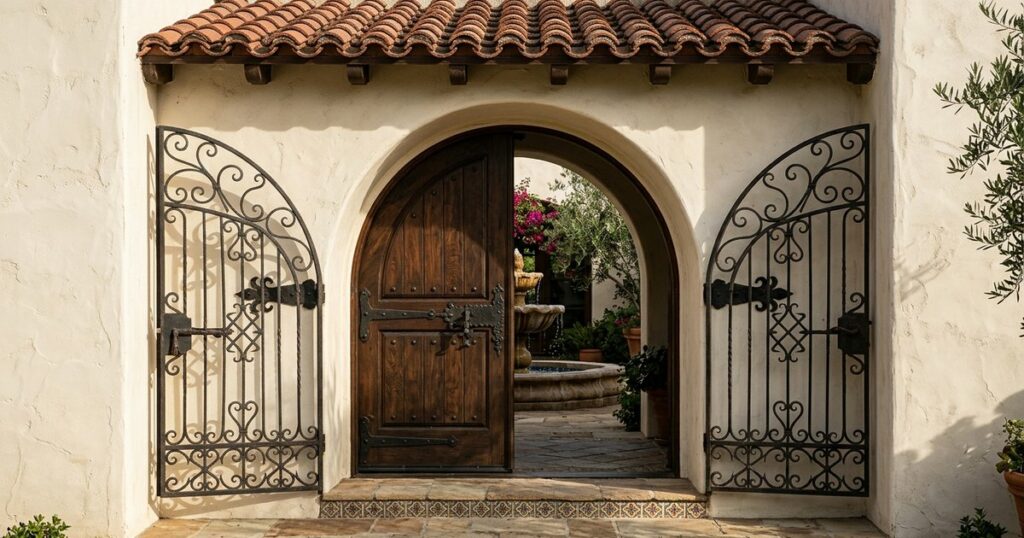
Rancho Santa Fe Covenant properties have a way of grabbing your attention. You're immediately taken with the architecture, the land, and the serenity. Within about ten minutes of walking a property, most buyers have already mentally designed the renovation.
The vision is vivid: new windows, a guest house out back, a barn for the horses, a pool positioned just right. The problem is that what buyers imagine and what the Rancho Santa Fe Art Jury will approve are often two very different things. Finding that out after close of escrow is an expensive lesson.
Buyers who fall in love with a Covenant property before understanding Art Jury constraints often discover their renovation vision is only partially achievable. In some cases, the plans might not be achievable at all. Taking the right steps before making an offer can change the outcome.
Learn the Art Jury's Standards Before You Plan
The Art Jury reviews all significant construction, renovation, and addition projects within the Covenant. Its standards are not written as a simple checklist. They involve judgment calls, and the jurors on duty shape the outcome as much as any written guideline.
I learned this firsthand when submitting what seemed like a straightforward barn design for a personal 3.5-acre RSF property. The project was well-conceived and designed by the same architect who built the main house. The Art Jury denied it anyway, partly because one juror who had never owned horses objected to the barn's proximity to the main residence. That concern appeared in no written guideline, and a neighbor's similar setup had been approved two years earlier.
Each application, in the Art Jury's view, stands entirely on its own terms. Arriving without the right guidance is genuinely risky, and the right guidance is available to buyers who know to ask for it.
See What the Art Jury Has Already Approved
The first thing I do when a buyer describes a renovation vision is find Covenant properties where something similar has already been approved. Knowing what's been approved gives you benchmarks for what to expect.
"I'll send them to those approved projects, and they go, 'Okay, I can live with that.' If a buyer comes in wanting a fully contemporary, all-glass structure, the Covenant probably isn't the right fit. But if they're open to the aesthetic vocabulary that has passed Art Jury review, the next step is finding an architect who already knows that vocabulary from the inside." – Scott Union, Broker Associate, Compass – Union West RE Group
Seeing what has actually been approved gives buyers a clearer understanding of what the Art Jury considers workable. It also helps them make decisions based on the property's potential rather than an imagined renovation. That resets the conversation from wishful thinking to informed decision-making.
Work With an Architect Who Knows the Covenant
I always tell buyers to consult architects with experience inside the Covenant before writing an offer. An experienced Covenant architect knows which directions the Art Jury tends to resist and which design approaches have succeeded. These architects also know how to present a project in a way that lands well in the room.
More than that, the right architect can walk a buyer through comparable approved projects and explain why certain things were approved. One of my clients came away from that process not just educated but confident. By the time they found a site they wanted to purchase, they already understood the Art Jury's expectations. They could design toward those expectations rather than hope their vision survived review.
Considering a Covenant property and want to understand what is realistically achievable before you make an offer? Talk to my team at Compass – Union West RE Group before the vision gets ahead of the facts.
A Site Walk Can Reveal What Plans Cannot
I tell every buyer to arrange a site walk with a building commissioner while still in escrow. It is not a formal Art Jury review, and it doesn't guarantee anything. But a building commissioner who knows what the Art Jury generally responds to can look at a specific parcel. They can give you a realistic read on what is workable before you close.
As someone who has designed and built custom homes in Rancho Santa Fe and Napa Valley, I've seen how much can hinge on site-specific conditions. Slope, sightlines, proximity to neighboring properties, lot coverage calculations: you can't assess these from a floor plan or a satellite image.
"Try to buy a property that was designed the way you want it. If it's already been approved by the Art Jury, you know what you're getting. And then if you want modifications, you go through the process, but at least you know the baseline that's been accepted. By the time they got to the land, they knew what would most likely be approved. And then they could walk the site with the architect and a building commissioner who knows what the Art Jury will generally like, while they're in escrow. It's not a guarantee, but it's pretty powerful when you go to present your project nine months or a year later, and you can say, 'I met with your building commissioner. I designed this based on their suggestions.'" – Scott Union, Broker Associate, Compass – Union West RE Group
Early Preparation Builds a Stronger Case
Buyers who work through this sequence arrive at the Art Jury review with a track record of having listened. They can demonstrate that they engaged the process in good faith and incorporated feedback from the building commissioner into their design.
In my experience, it makes a meaningful difference when buyers speak to the property personally during the review. It signals to the jury that this is someone planning to live there, not a developer optimizing for resale.
Buyers who are genuinely investing in the Covenant, both financially and personally, should not view these restrictions as inconvenient obstacles. They are a big part of what has shaped the community and helped it maintain its character. They also play a significant role in why RSF properties retain their value over time.
Common Questions About Rancho Santa Fe Art Jury Approval
Can buyers appeal an RSF Art Jury denial?
An appeal process exists, but a denial still means significant delay and added cost. The more effective strategy is to build a strong case for approval from the beginning, with the right team in place.
How long does Art Jury approval typically take for a Covenant renovation?
The timeline depends on project complexity and how many revision cycles a submission requires. Well-prepared projects, with site input from a building commissioner, tend to move more efficiently than those submitted without that groundwork. A realistic planning window for a significant renovation or addition is six months to over a year.
Does buying a home with existing Art Jury approvals protect you from future restrictions?
Buying a property with existing approved improvements establishes a known baseline for what the Art Jury has accepted on that site. Any future modifications still require separate review and approval. That baseline matters because it gives buyers documented context when they return for additional changes. It is also one of the strongest arguments for purchasing a property that already reflects the aesthetic you want.
What lot sizes are typical for RSF Covenant properties?
The Covenant generally requires a minimum of 2.5 to 2.8 acres per parcel. That minimum is part of what defines the community's character and drives its density restrictions. Neighboring communities such as Fairbanks Ranch or The Farms offer smaller lots, in gated settings for buyers whose priorities differ.
Is it possible to build a contemporary home within the Covenant?
Yes, though the design vocabulary the jury accepts has widened rather than opened completely. The safest path is reviewing recently approved contemporary projects before finalizing a design. Buyers with a strong preference for contemporary design should also consult a Covenant architect before selecting a site. Site conditions can make or break how much flexibility is available.
What should buyers know about insurance costs on large Covenant properties?
Large RSF parcels carry real ongoing costs beyond the mortgage. Landscaping and water alone can run thousands per month depending on the size and plantings. Fire insurance on Covenant properties has become materially harder to obtain and more expensive in recent years. I touched on this in a recent post about how California's insurance market is influencing luxury purchases. The piece is worth reading before making any offer on a large Covenant parcel.
Do I need an architect who has worked inside the Covenant specifically?
An architect with no Covenant track record will face a learning curve. Architects who have submitted and revised plans through the Art Jury understand the vocabulary the jury responds to and the common sticking points. That experience is worth prioritizing when selecting a design partner for any Covenant renovation or new build.
How do RSF Covenant renovation requirements interact with California's state building code?
California's state building code sets the floor for construction standards, and the Covenant's Art Jury requirements sit on top of it. A project must satisfy both. In practice, the Art Jury's aesthetic and site-placement standards are usually the harder constraint. However, permitted structural work still requires county building department sign-off under state code. Buyers planning significant renovations need to plan for both approval tracks running simultaneously.
Know What You Can Build Before Writing an Offer
A Covenant property may look perfect until you understand what the Art Jury will allow you to change. Reviewing approved projects and evaluating the site early can prevent expensive surprises after closing. The right preparation helps buyers choose a property that fits both their vision and the Covenant's requirements.
Compass – Union West RE Group helps buyers evaluate Rancho Santa Fe properties while accounting for Art Jury considerations. We can also connect buyers with the local professionals they'll need to navigate the process. Contact us to ensure you understand what the property can realistically support before making an offer.
