Rancho Santa Fe Covenant Now Has Eyes in the Sky to Assist with Fire Mitigation
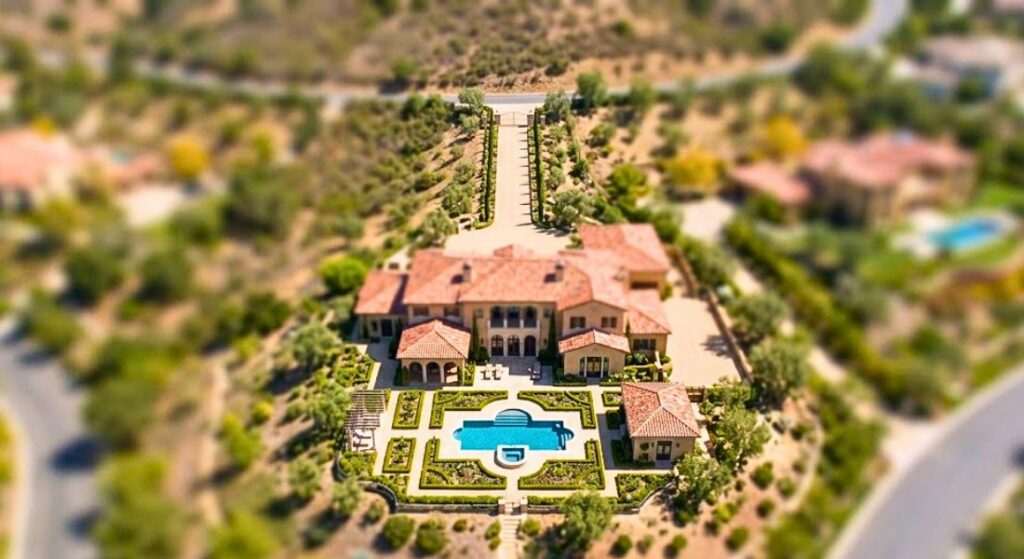
FireWatch Aerial Imaging: The RSF Association and the RSF Fire District partner with a service called FireWatch, which utilizes aerial imaging (not satellite) to map vegetative fuels and assess wildfire risks. Both agencies have explicitly stated that FireWatch maps cannot and will not be used to enforce code or covenant violations
FireWatch Aerial Imaging (Not for Enforcement): The RSF Association and the RSF Fire District partner with a service called FireWatch, which utilizes aerial imaging (not satellite) to map vegetative fuels and assess wildfire risks. – Scott Union, Broker Associate, Compass – Union West RE Group
Thinking about making an offer on a Covenant property? Reach out to the Compass – Union West RE Group team so you know exactly what approval constraints apply to the specific site.
Art Jury Approval Depends on the Specific Property and Proposal
My experience submitting a two-stall barn proposal to the Art Jury around 2005 illustrates how the process actually works at ground level.
The setup looked straightforward: three and a half acres, two horses, an architect who had already designed the main house on the property. What followed was a months-long review.
A juror with no personal horse experience evaluated the application. A slope on the property limited viable siting options. A neighbor two doors away objected on grounds of potential flies and odors. That happened despite the Covenant’s fifty miles of horse trails and its explicit identity as an equestrian community.
Each application is evaluated on its own merits, by specific people, at a specific moment. Prior approval on a neighboring property does not guarantee yours. The people, the site conditions, and the adjacent-owner concerns are always different.
How the Association Has Improved and How Smart Buyers Use That
Since the 2005 application, the Association has made real improvements. A professional equestrian consultant now advises the Art Jury on horse-related applications. Buyers can request a pre-application meeting with that consultant while still in escrow.
That single step, walking a property with the consultant before committing, helps a buyer understand what will and will not be supportable. It can protect a buyer from discovering a fatal constraint after closing. The cost of owning a home in Rancho Santa Fe rises quickly when you add post-closing surprises to the list.
The same pre-application logic applies to any significant improvement:
- Equestrian Facilities: Request a pre-application meeting with the Association’s equestrian consultant before finalizing site plans.
- Major Builds or Renovations: Bring in an architect who has completed projects through the Art Jury. And have them walk the site before you finalize purchase plans.
- Fire-Safety Access: Engage the fire marshal at the beginning of the project. The California Department of Forestry and Fire Protection has access standards that interact with what the Art Jury will approve on a given site.
While these requirements can add complexity to the buying or building process, they are essential. Taking these steps beforehand ensures a project can move forward, receive approval, and be insurable.
FAQs About Rancho Sante Fe Covenant Enforcement
What kinds of improvements require Art Jury review in the Covenant?
Any new structure, addition, grading, or substantial alteration on a Covenant property typically requires Art Jury review. This includes barns, guest houses, pools, expanded driveways, and significant landscaping changes. Even minor improvements may trigger review, depending on scope and visibility from neighboring properties or common areas.
Can I meet with the Rancho Santa Fe Association before I close on a property?
Yes. The Association offers pre-application consultations. That includes the potential to meet with the Association’s professional equestrian consultant while still in escrow. Using this resource before committing is one of the most effective ways to avoid post-closing surprises. It also confirms that your planned improvements are actually approvable on a specific site.
What happens if someone builds without approval in the Covenant?
The Association has legal standing under the Davis-Stirling Common Interest Development Act to require removal or modification of any unpermitted structure. It can also issue stop-work orders and pursue legal remedies. Aerial mapping can detect new structures even when no neighbor files a complaint. Stop-work orders have been issued while construction is still underway.
How do I find an architect who knows the Art Jury process?
Ask any architect you are considering whether they have completed projects through the Rancho Santa Fe Art Jury. An architect who has navigated the process successfully will know what the Jury expects at each submission stage. They can help you avoid the common errors that stall approvals.
Is it realistic to get a barn or equestrian facility approved in the Covenant?
Yes, the Association regularly approves equestrian facilities. The Association now employs a professional equestrian consultant who advises the Art Jury on horse-related applications. Requesting a pre-application meeting with that consultant before finalizing any site plans significantly improves the probability of approval. It also reduces the back-and-forth that extends the review timeline.
Can aerial mapping data be used in a neighbor dispute or litigation involving Covenant improvements?
This is a question worth raising with a San Diego County real estate attorney. But the existence of dated aerial imagery showing when a structure appeared on a property creates a documentary record. That record could be relevant in disputes between neighbors or between an owner and the Association.
Know the Rules Before You Make a Move
Buyers and owners should understand the Art Jury process and property-specific requirements before starting a project. Early due diligence can prevent delays, unexpected costs, and problems after closing.
Compass – Union West RE Group brings decades of experience working with buyers, owners, architects, and the Art Jury in Rancho Santa Fe. We can help clients evaluate properties and understand the requirements that can affect their plans. Contact our team before you buy or build in the Covenant.